
WIP Festival
Last week, we visited the WIP Festival exhibition in Nicosia Old Town. It gave artists and creators a chance to experiment with their ideas by combining art and digital technologies. Many objects were interactive, and it is interesting to analyze them from an interaction designer’s perspective.
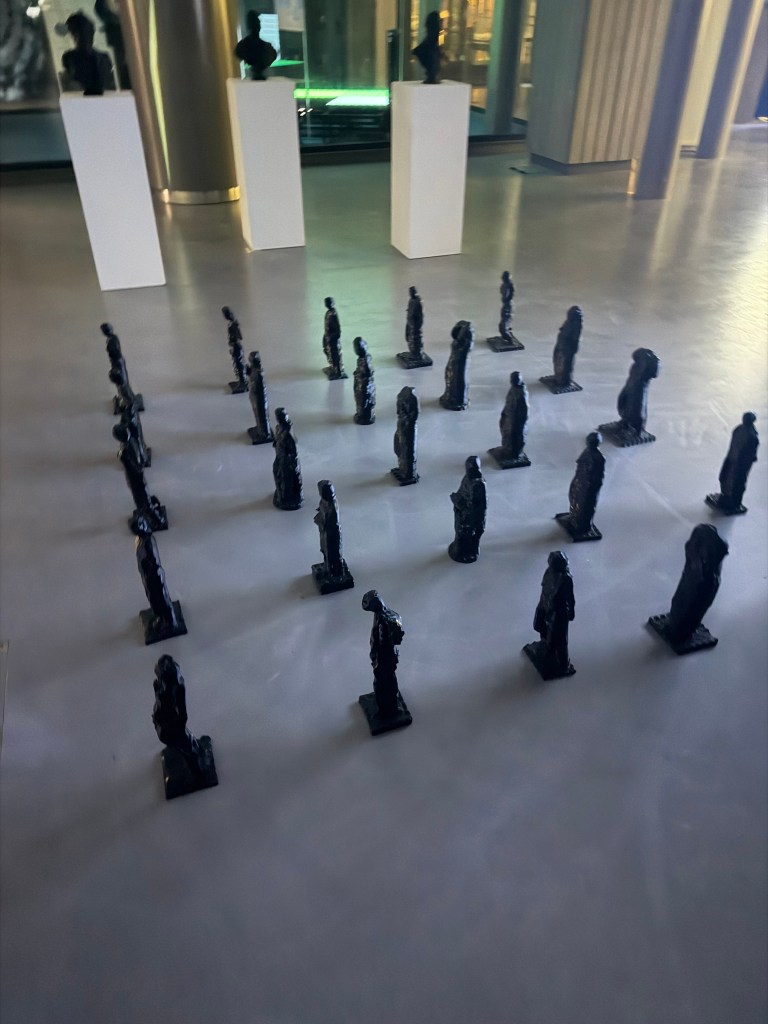
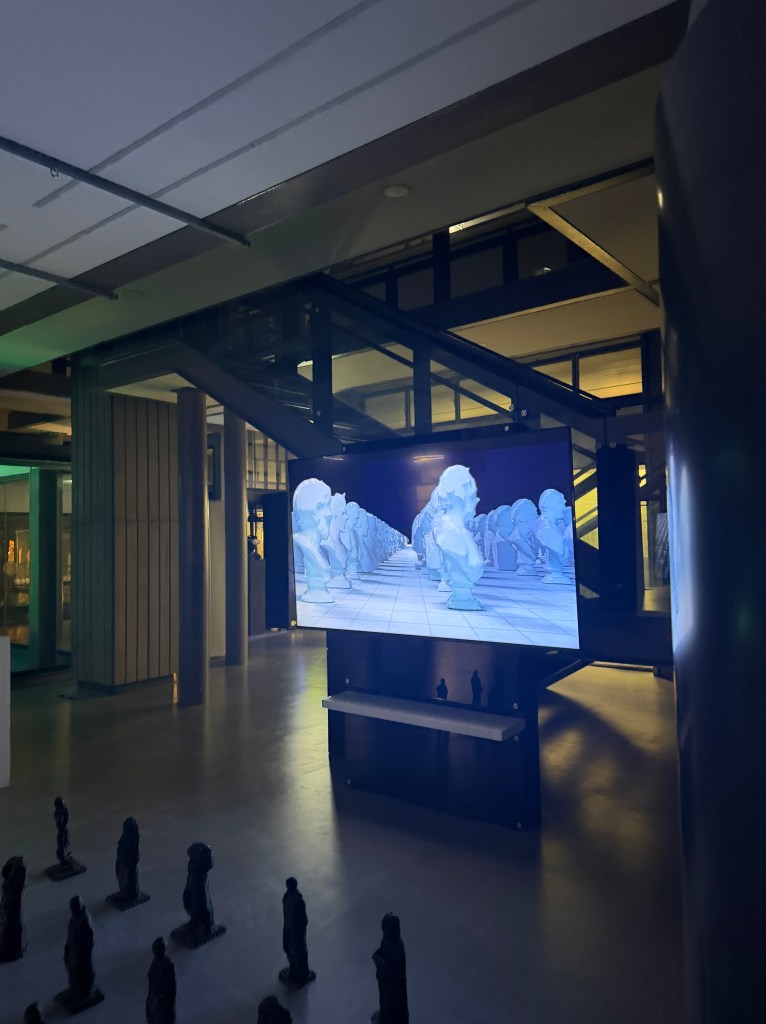
The exhibition itself was open for everyone to explore. It didn’t have a strict structure, probably to avoid framing visitors and let them discover exhibits on their own. However, I still needed some directions and general information about what was happening around me.
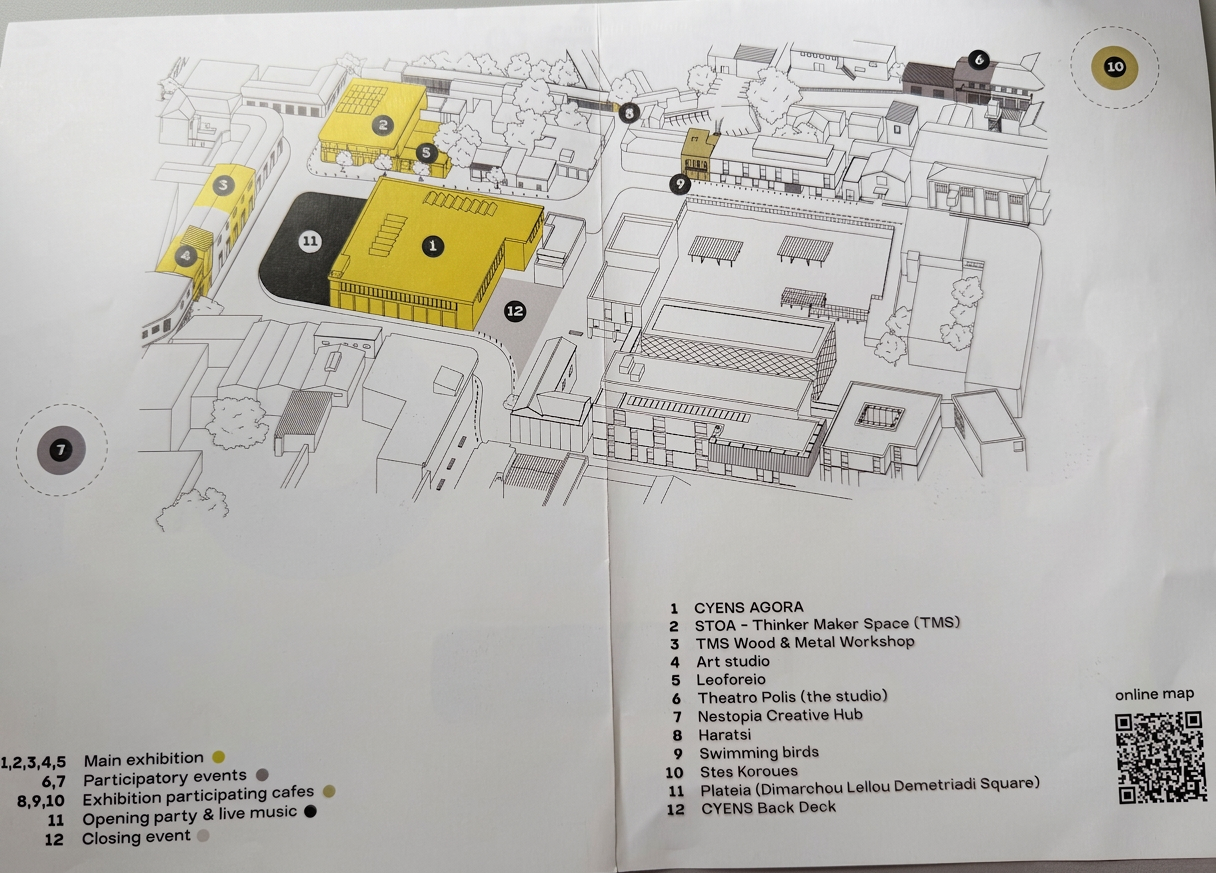
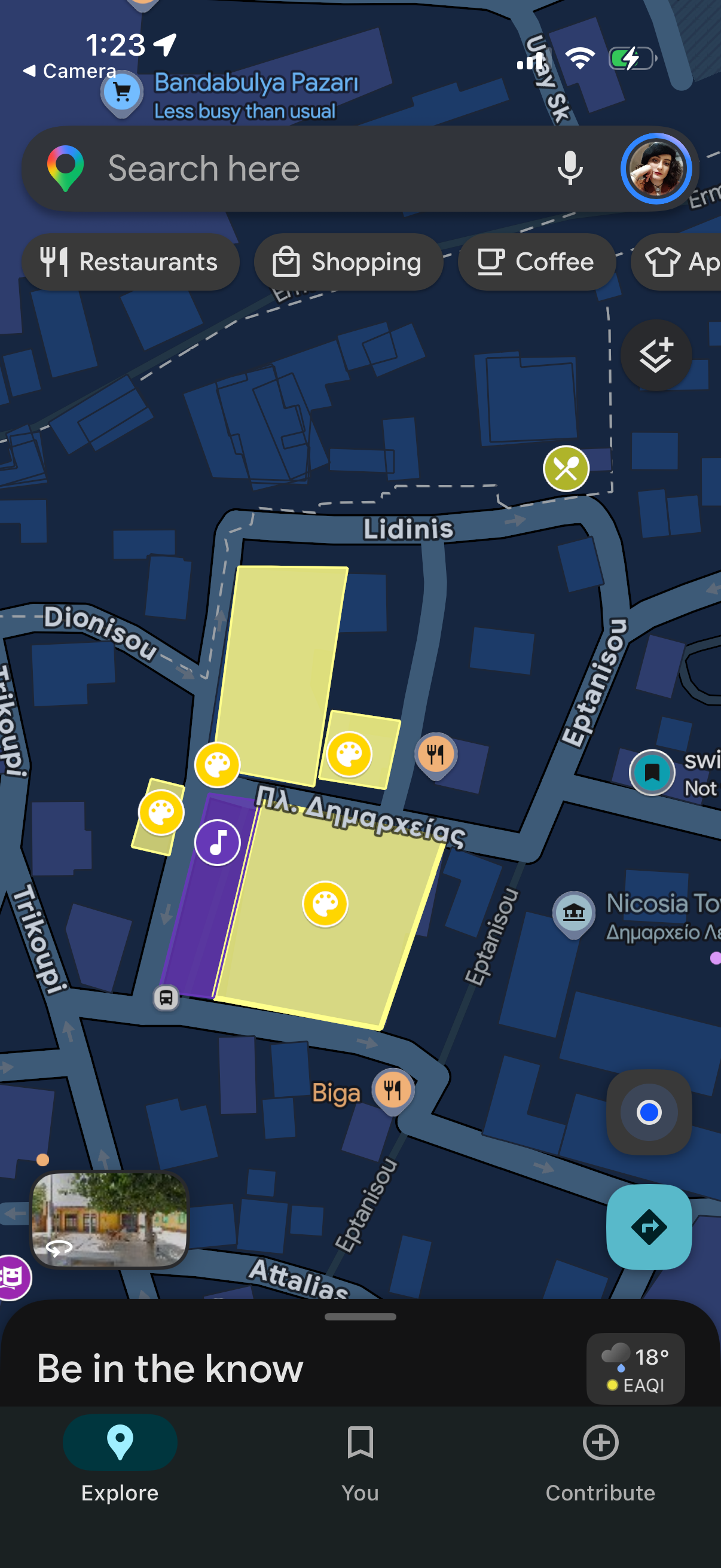
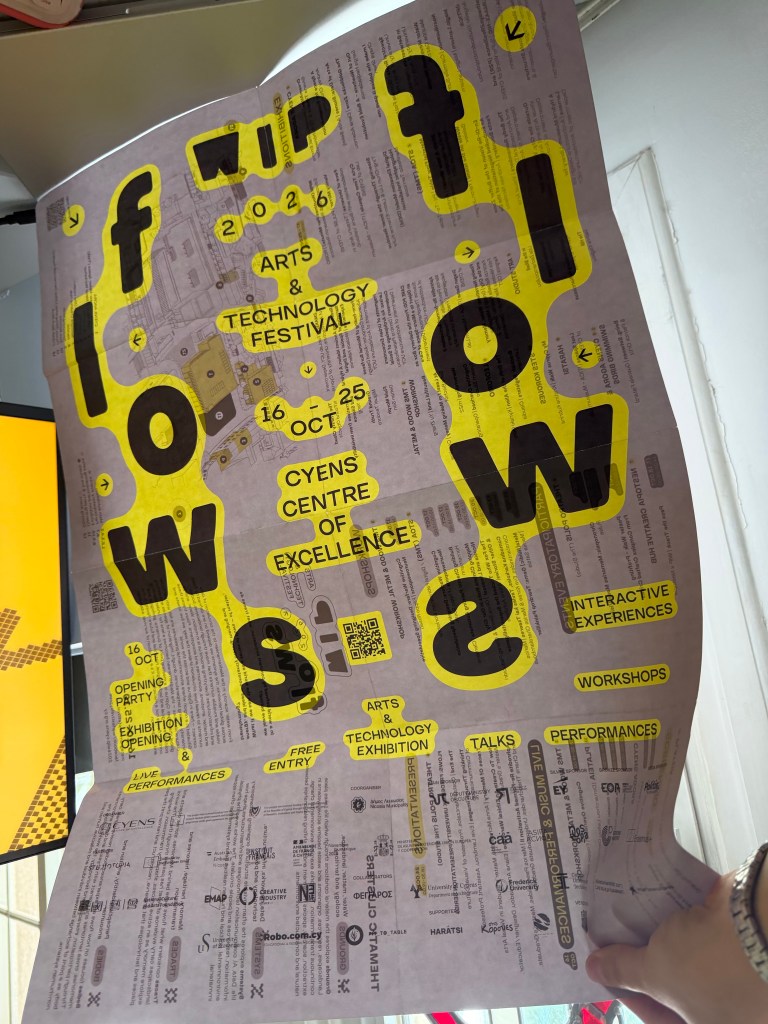
There was a brochure with a map and a program, but it was hard to find, and the lack of lighting made it hard to read. A QR code on the map linked to a Google Maps layout that was hard to use because it showed only building names, with no additional information about the exhibits.
To navigate the exhibition, visitors communicated with an assistant who explained how to interact with the objects and was very helpful. However, in some cases, asking the assistant created pressure and limited how visitors interacted with the exhibits. Personally, I felt an urge to follow the assistant’s instructions rather than explore the objects on my own.
The Object
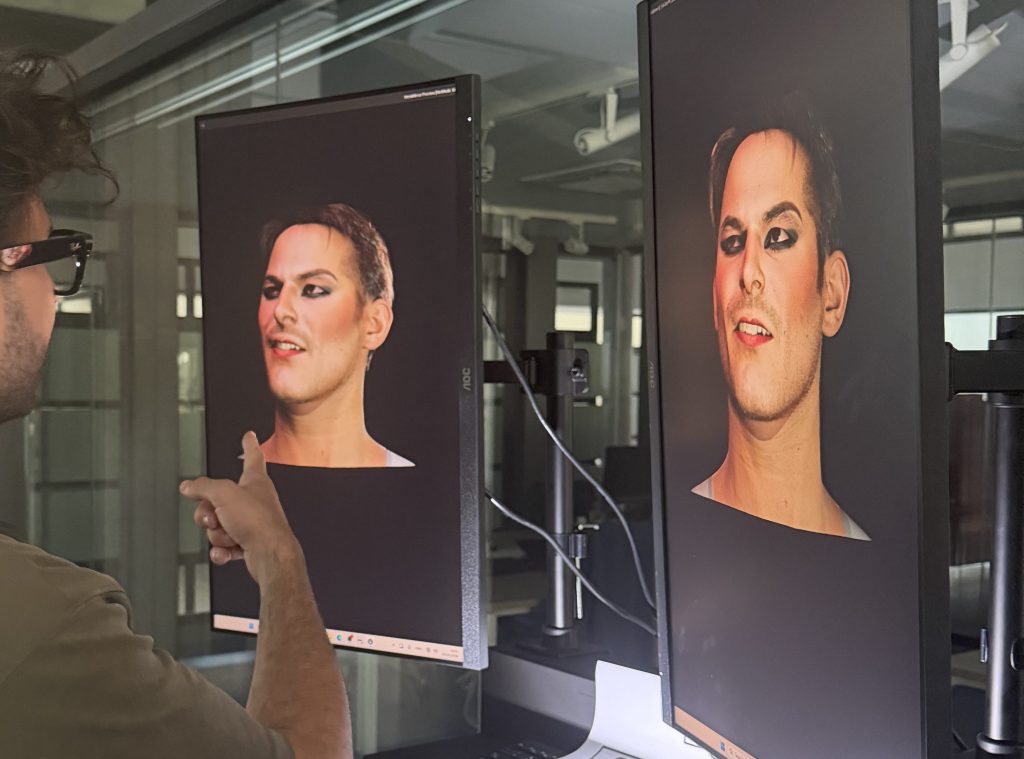
The exhibit that caught my attention most was “The Vanity Mirror” by the Pulse of CYENS team (Panagiotis Charalambous, Ismail Hadjri). It was a digital art object presented as two interactive avatars on screens, with a camera capturing the user’s facial expressions.
Interaction
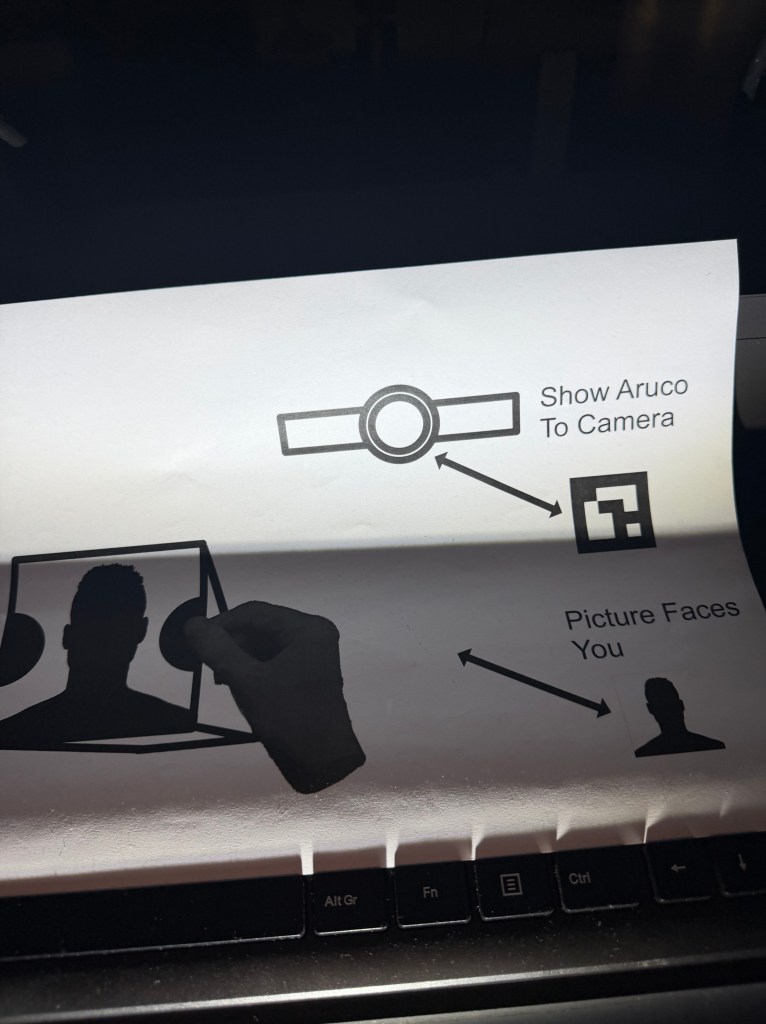
When a participant approaches the art object, they first feel frustrated. He starts exploring the object, and as he moves, he notices the screen moving with him. Then he notices a hidden camera and a paper list with instructions.
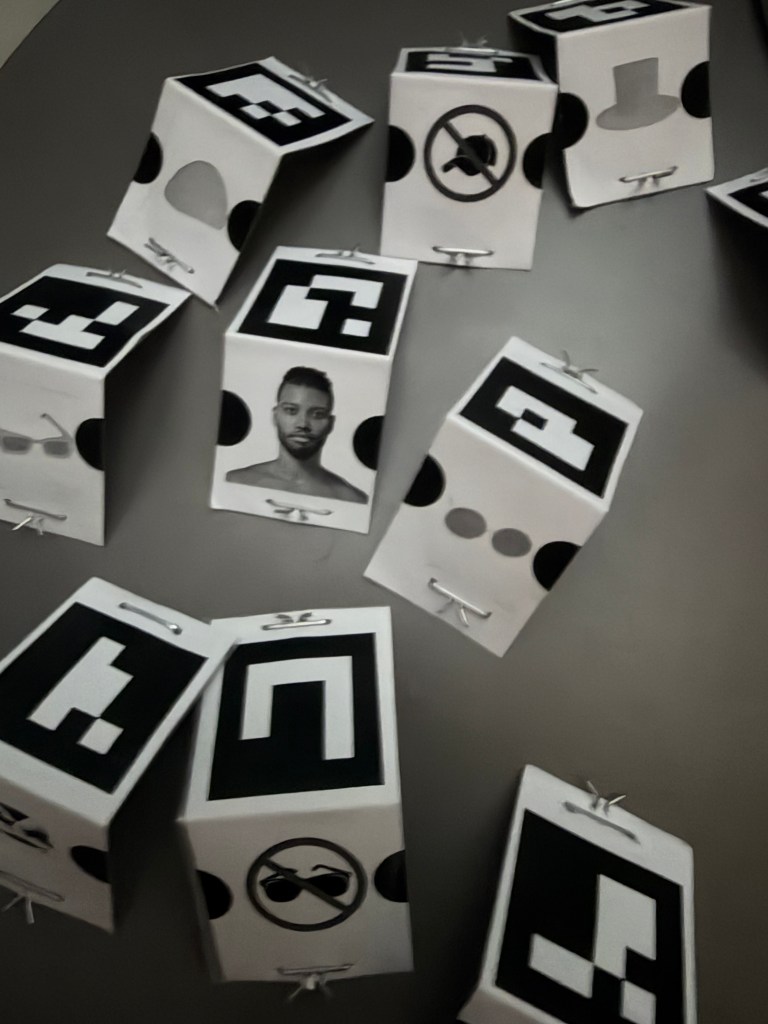
This camera between the screens captures the viewer’s face and serves as an input point as the user scans QR codes left on the table next to the screen. Scanning lets them interact with the screen to change the character, adjust their attributes, or add makeup. When someone scans it, they can instantly see the changes on the screen. Papers with QR codes also include images of the possible changes.
Context
When a user approaches the screens, it’s unclear from the very beginning what should happen because they have to move to see that the screens act like mirrors. Also, the dark lighting limited the readability of the written instructions on how to use a QR code, and the cameras didn’t capture the emotions/QR code very well.
The Human Experience
The Vanity Mirror design assumes visitors will be curious enough to explore the object without guidance. With only two screens, the interaction happens only when you are in front of them and notice the changes. A visitor who walks by may never understand how the object works. It also assumes the participant knows English, since that was the language of the QR code instructions, and that they are familiar with QR codes in general.
I believe also that the design expects you to recognize it as a mirror and expect it to act like one. However, the explanation is far from the object, which doesn’t let a participant fully understand it.
Critical Reflection
An unexpected interaction happened at the very beginning, when I realized the screens were reflecting my movements and emotions because I thought one of the screens was broken. When I smiled, it looked angry; when I was angry, it laughed.
At first, I thought that something was wrong. Maybe the light is too weak? Maybe the camera is too far? Maybe I am doing something wrong? It turned out that was the artist’s initial plan: to make one screen mirror you inaccurately or exaggeratedly. Later, I found the explanation written on the wall only after I stopped interacting with the object.
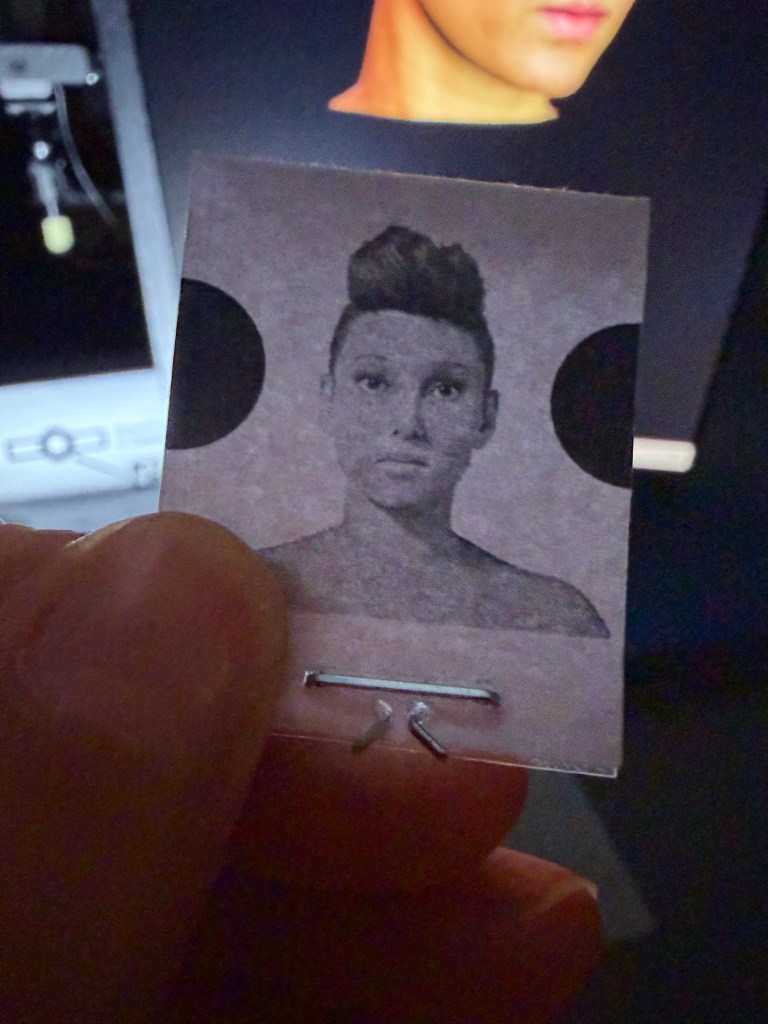
That was interesting because something that I thought was a technical issue raised all these questions in my head. That’s what turned this object into a piece of art for me, because it managed to bring up some emotions and thoughts that I wasn’t expecting. I couldn’t help but wonder how often we trust technology to function only as we expect, and why we are so surprised when it doesn’t.


Leave a Reply